History of Topo Pino
In the early 1900s, Janet McKenzie Hill purchased a property in the White Mountains and named it Topo Pino. A food writer, culinary educator, and editor of The Boston Cooking School Magazine, Hill established a Summer School of Cookery here — bringing together food, education, and the landscape in a way that still shapes the spirit of Topo Pino today.
Janet McKenzie Hill’s Summer School of Cookery
Janet McKenzie Hill was part of a generation that helped professionalize American cooking at the turn of the twentieth century. She graduated from the Boston Cooking School in 1892 and, four years later, became the founding editor of The Boston Cooking-School Magazine, which later became American Cookery. Over the course of her career, she wrote extensively about cooking, household management, and the increasingly precise, methodical approach to food that was shaping domestic education at the time.
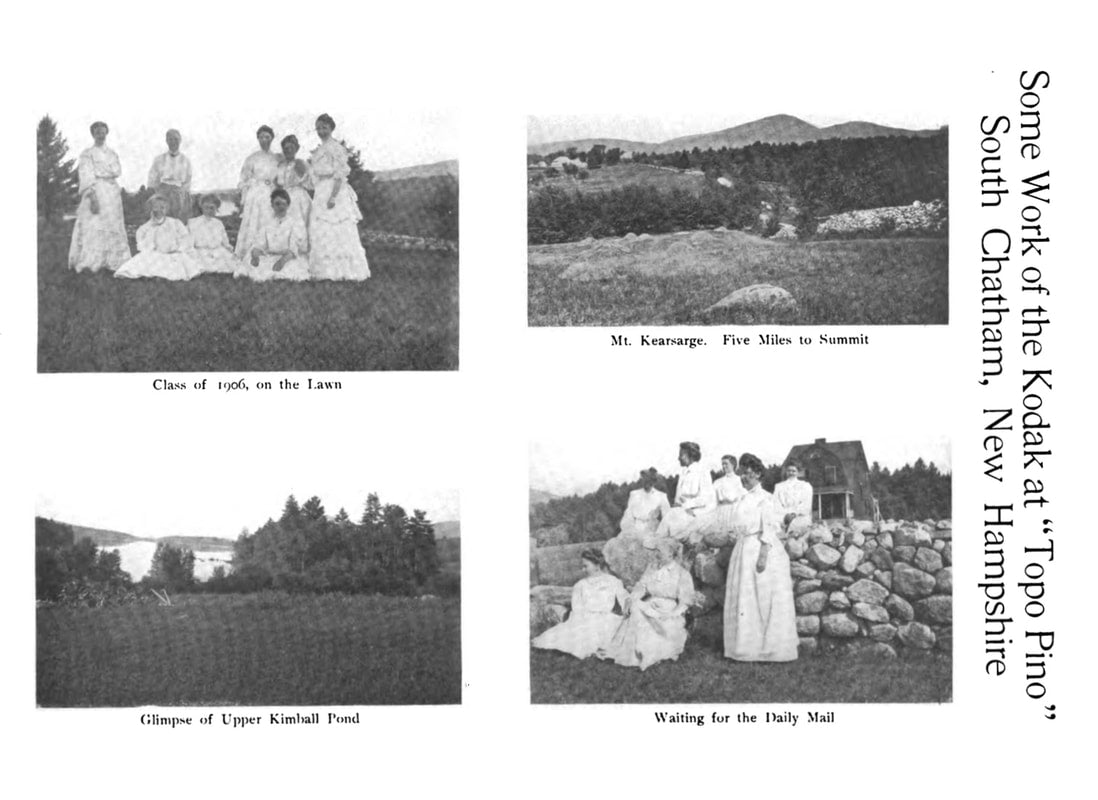
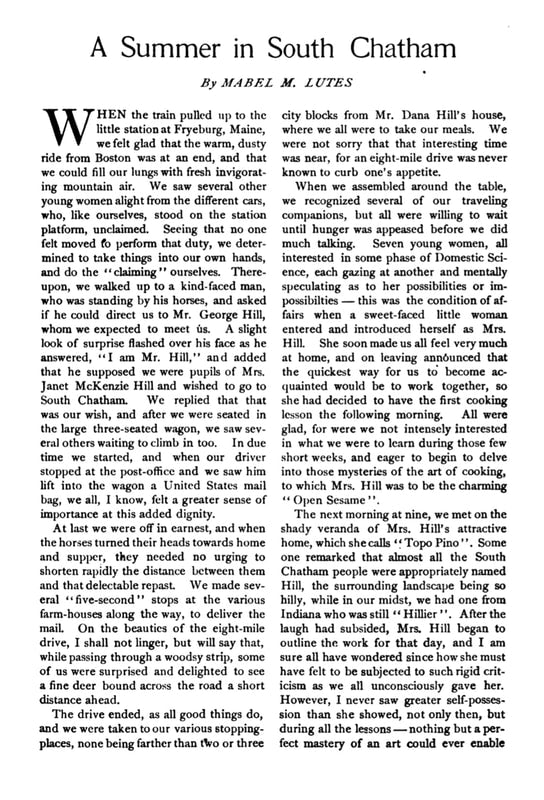
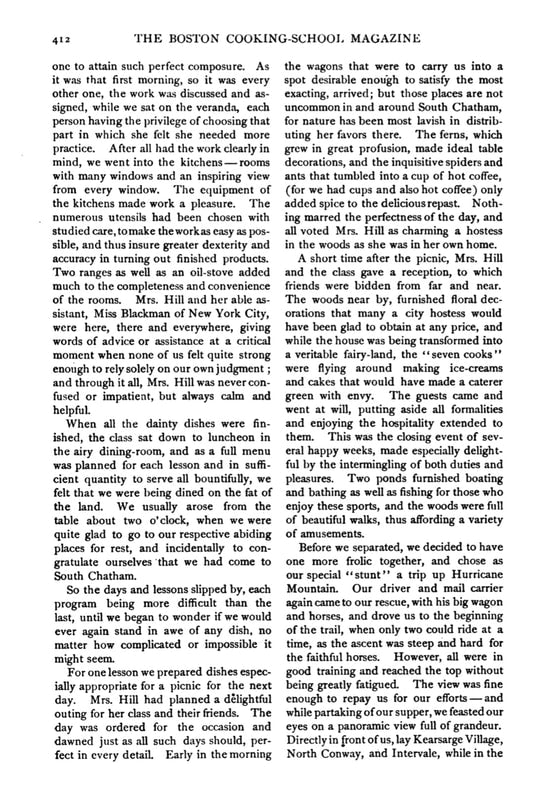
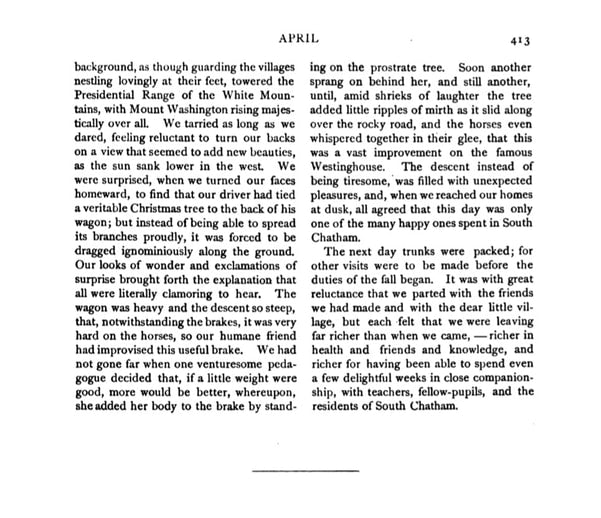
At Topo Pino, Hill brought that work into a very different setting. Her Summer School of Cookery operated in South Chatham, New Hampshire, in the White Mountains, where students came for seasonal instruction in cooking and household practice. Contemporary records list Hill’s school among the recognized summer schools operating in New Hampshire, and surviving accounts from students describe both the instruction and the experience of being immersed in the surrounding landscape.
That combination — careful cooking, seasonal awareness, and attention to place — is what makes this history feel unusually connected to Topo Pino today.
-
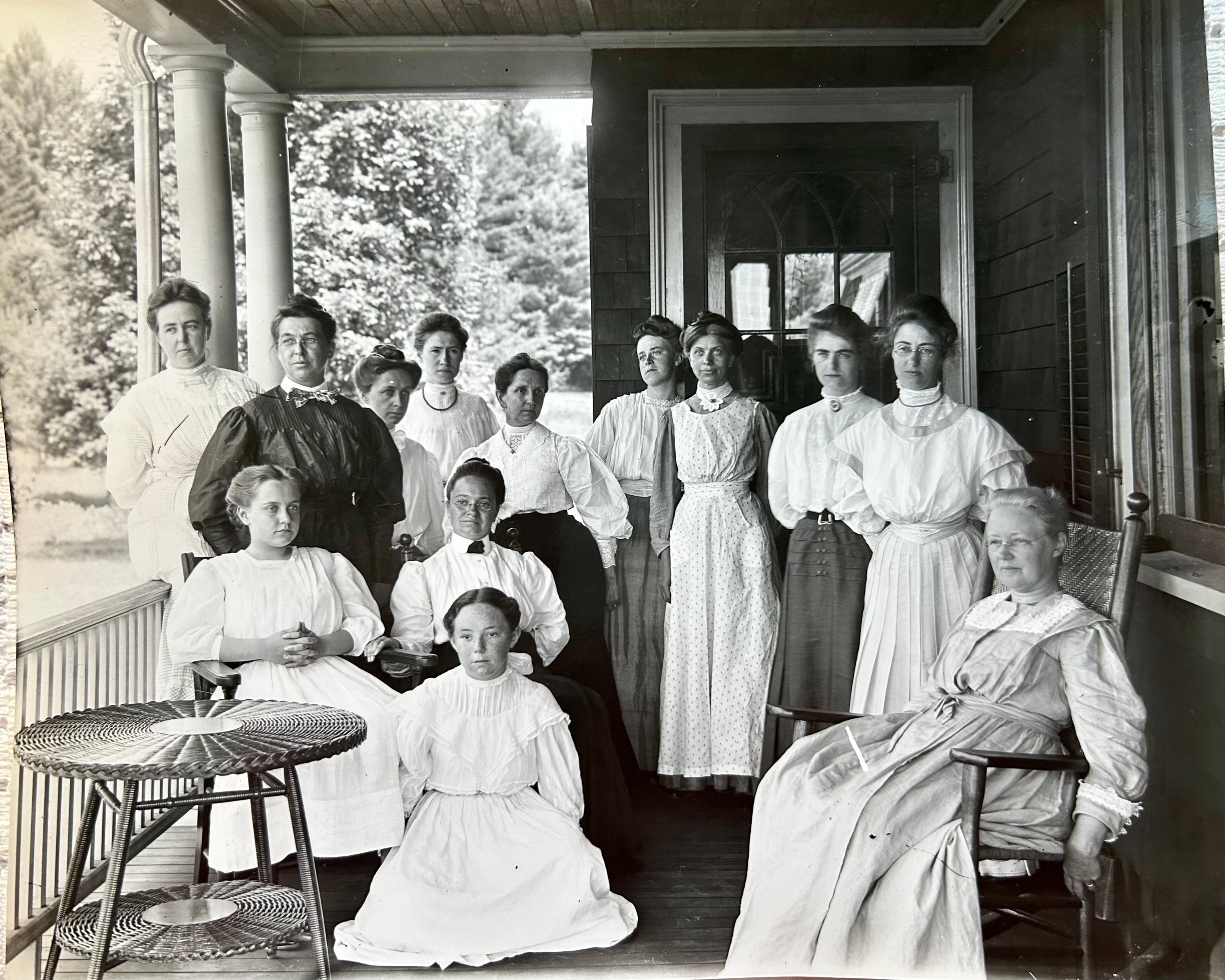
Students of Janet McKenzie Hill's Summer School of Cookery gathered on the porch at Topo Pino, where culinary tradition and shared learning flourished.
-
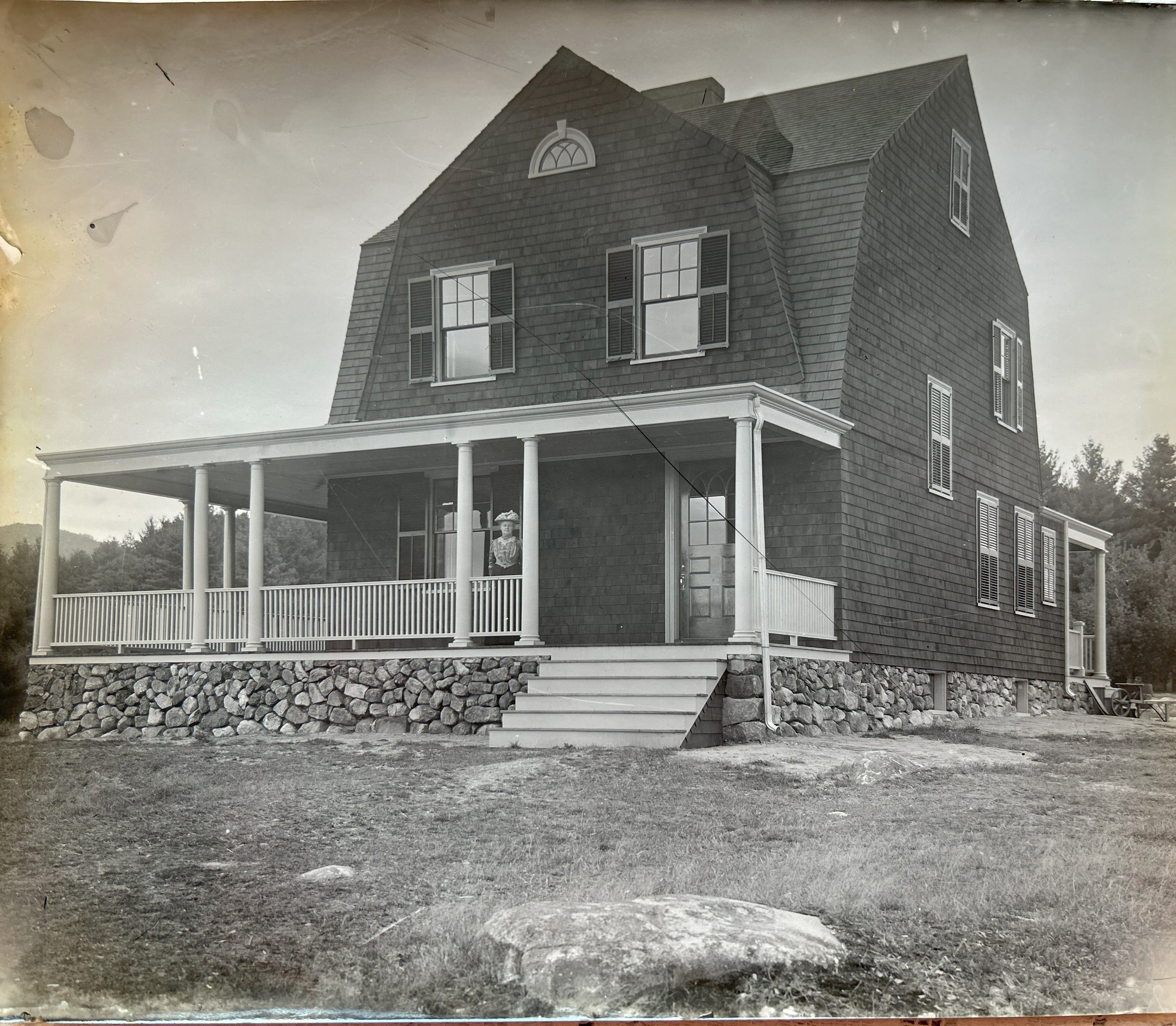
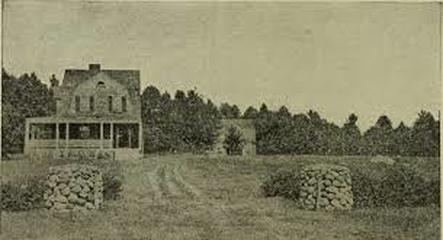
Janet McKenzie Hill at her home, Topo Pino.
-
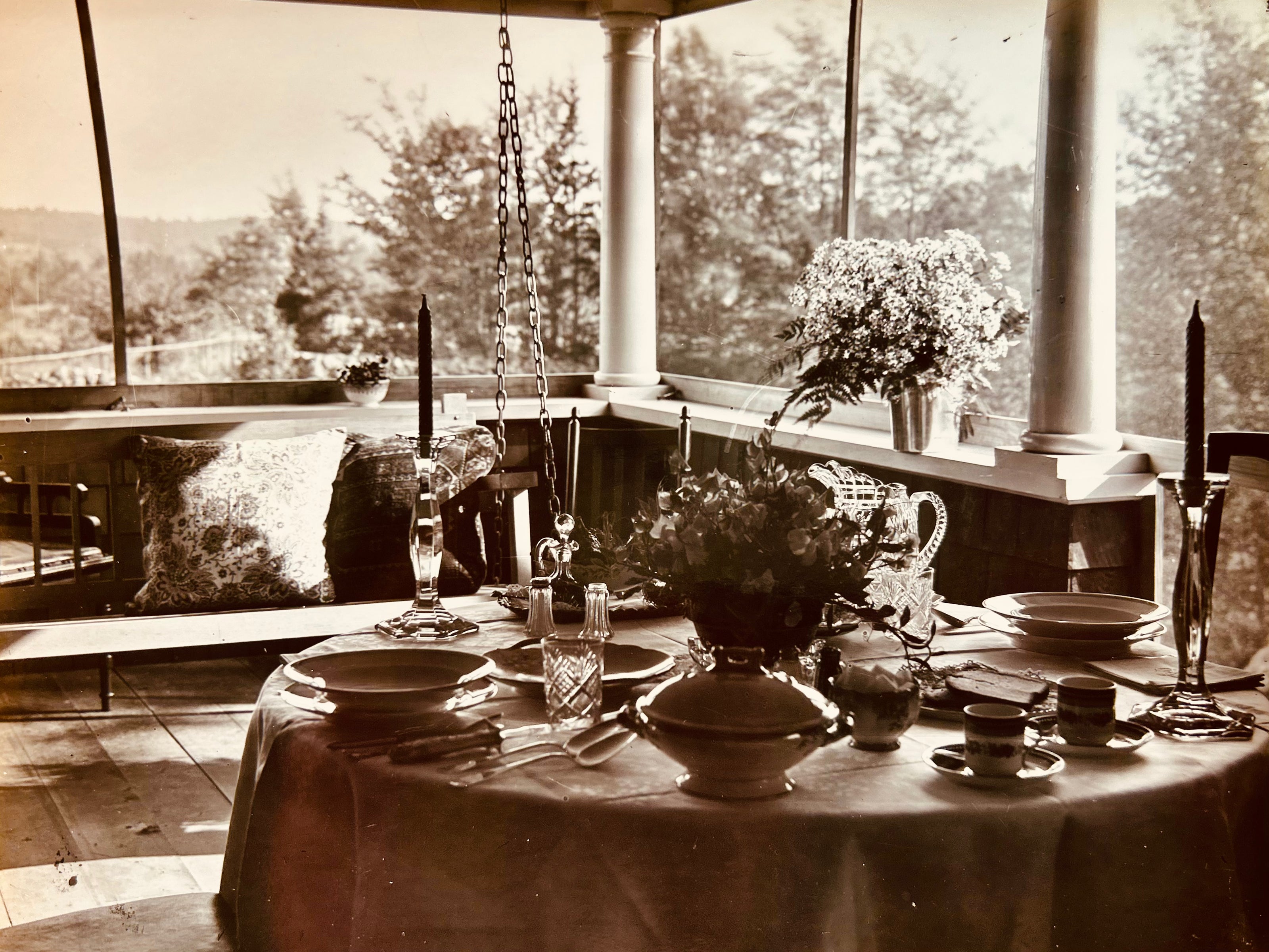
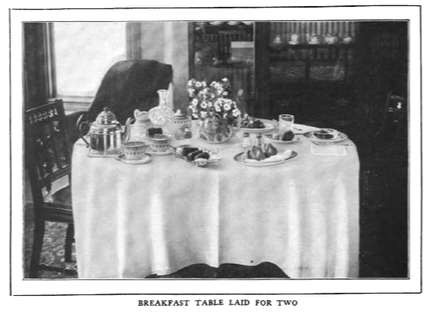
Beautiful place setting on the porch at Topo Pino in the early 1900s.
From the Archive
-
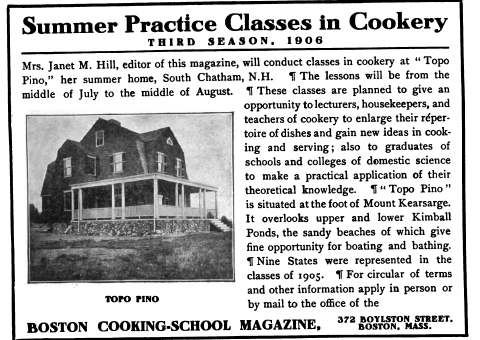
Summer School of Cookery advertisement, South Chatham
-
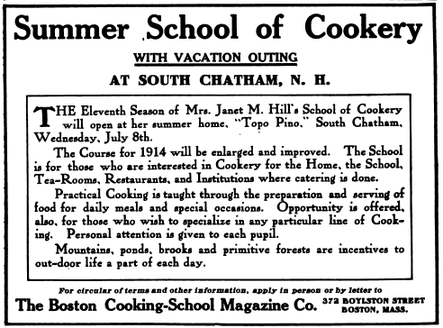
Summer School of Cookery advertisement, South Chatham
-
-
Carried Forward
Topo Pino has been part of our family since 1967. What began here more than a century ago — attention to season, place, and making things well — still shapes how we think about the property today.
We are not trying to recreate the past. We are carrying forward what still feels useful, beautiful, and worth preserving.